Moving to Mission Viejo, CA: Essential Tips for New Residents
Moving to Mission Viejo, CA: Essential Tips for New Residents
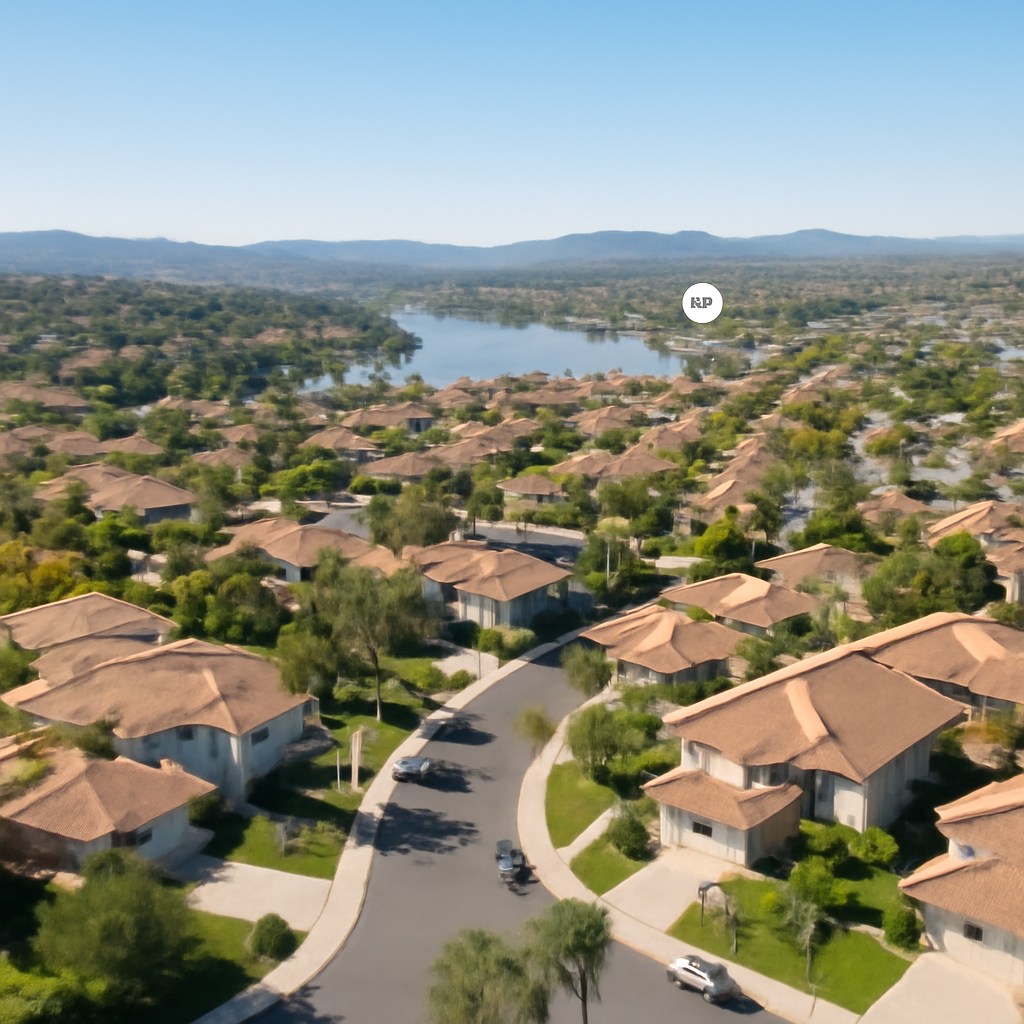
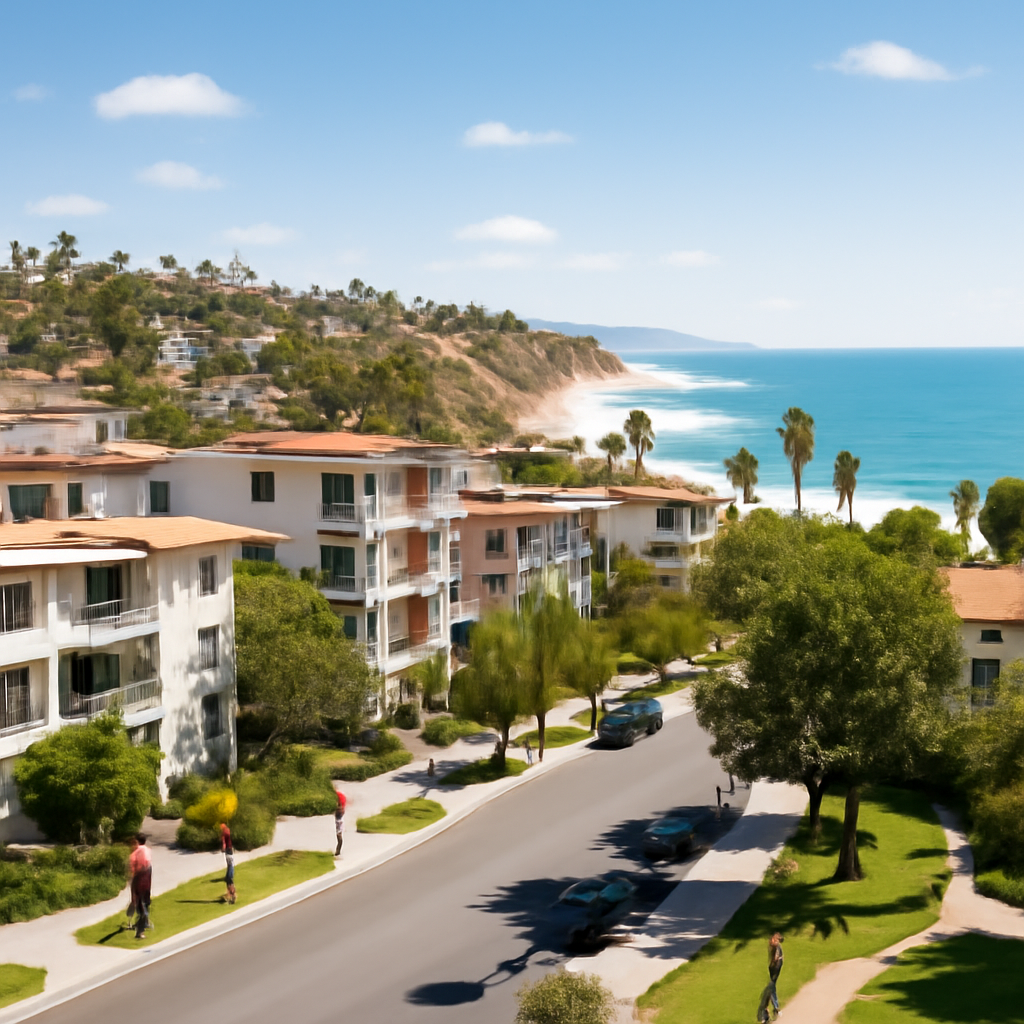
Moving to Mission Viejo introduces a master-planned city known for tree-lined streets, hillside views, and a central lake. According to U.S. Census Bureau QuickFacts, Mission Viejo has about 93,000 residents, creating a mid-sized environment with suburban calm and regional access. The city’s grid, anchored by Alicia Parkway, Marguerite Parkway, and Crown Valley Parkway, shapes daily routines and commute patterns. Understanding neighborhoods around Lake Mission Viejo, Saddleback College, and The Shops at Mission Viejo helps new residents match lifestyle priorities with specific streets and communities.
How is Mission Viejo laid out, and which neighborhoods stand out first?
Mission Viejo follows a classic master-planned pattern with curving residential streets feeding into major corridors such as Alicia Parkway, Marguerite Parkway, and Los Alisos Boulevard. Many homes sit within planned tracts near parks like Florence Joyner Olympiad Park and Melinda Park. According to Walk Score, Mission Viejo has an overall walk score near 36, so most errands require a car, but pockets near The Shops at Mission Viejo and Mission Hospital feel more walkable.
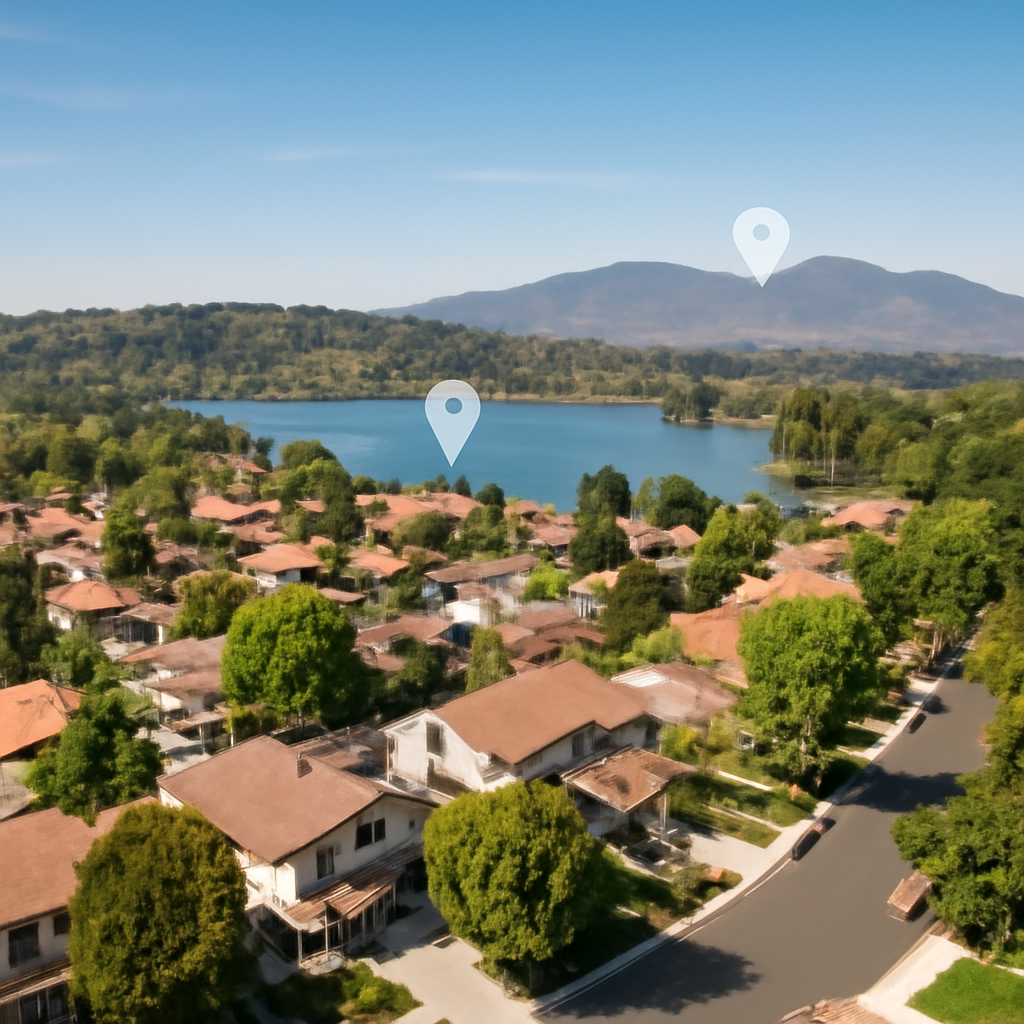
Neighborhoods around Lake Mission Viejo, including communities off Olympiad Road and Alicia Parkway, emphasize lake access, associations, and recreation. The Lake Mission Viejo Association manages boating, swimming, and lakeside events for roughly 1,500 acres of surrounding residential and recreational space, based on information from the Lake Mission Viejo Association. Homes close to the lake often carry higher association dues but trade that cost for easier lakefront use and seasonal concerts.
Eastern Mission Viejo, around Trabuco Hills High School and Santa Margarita Parkway, leans slightly hillier, with many streets offering distant Saddleback Mountain views. Western areas near I-5, including neighborhoods off Jeronimo Road and Paseo De Valencia, place residents closer to major commuting routes and regional shopping. According to Redfin, many single-family homes in Mission Viejo trade in a range roughly between $900,000 and $1,300,000 as of early 2026, with premium views and remodeled interiors often commanding the upper end.
What does daily life look like for commuting, shopping, and dining in Mission Viejo?
Interstate 5 forms Mission Viejo’s western edge and anchors many commuting routines. On-ramps at La Paz Road, Alicia Parkway, and Crown Valley Parkway provide access north toward Irvine and south toward San Juan Capistrano. According to U.S. Census Bureau estimates, average commute times for residents often fall in the 25 to 30-minute range, though rush-hour drives to central Orange County employment centers can stretch longer. Many residents mix freeway driving with local routes along El Toro Road and Muirlands Boulevard.
Late afternoons around The Shops at Mission Viejo bring the warm scent of coffee from the Starbucks near the main entrance and the soft echo of conversations from patios at restaurants along Marguerite Parkway. The polished tile floors inside the mall reflect overhead lighting, while music from national retailers blends with the hum of the central fountain. Outside, the air often carries a faint coastal breeze moving up from Dana Point, softening the heat radiating off Crown Valley Parkway and the nearby parking structures.
Everyday errands tend to cluster around key commercial centers. The Shops at Mission Viejo, Mission Viejo Freeway Center near La Paz Road, and the Alicia Town Center along Alicia Parkway host supermarkets, pharmacies, and restaurants. According to retail data summarized by Esri Business Analyst, these centers draw shoppers from a radius of roughly 3 to 5 miles. Dining options range from casual spots near Pavion Park to sit-down restaurants along Oso Parkway and in the Kaleidoscope Center, providing multiple choices within a short drive.
Which schools and educational resources are important for new residents?
Mission Viejo sits within the Capistrano Unified School District and Saddleback Valley Unified School District, creating several distinct attendance zones. Mission Viejo High School, near Trabuco Road and Chrisanta Drive, holds a rating around 8 out of 10, according to GreatSchools. Trabuco Hills High School, near Los Alisos Boulevard and Mustang Run, often appears with a rating near 9 out of 10 on the same platform, reflecting strong academic and extracurricular offerings.
Elementary and middle schools such as De Portola Elementary on Galvani Street, Bathgate Elementary near Oso Parkway, and La Paz Intermediate off Chrisanta Drive help anchor family decisions about moving to Mission Viejo. According to GreatSchools, many neighborhood schools post scores in the upper-middle to high range, often between 7 and 9 out of 10. These ratings, combined with proximity to parks like Cerro Rebal Park and Sevilla Park, influence which streets families prioritize during home searches.
Saddleback College, at the intersection of Marguerite Parkway and College Drive East, adds a higher-education dimension to the city’s profile. The campus serves more than 18,000 students annually, based on figures from Saddleback College, and offers transfer programs, workforce training, and community classes. Nearby, the Norman P. Murray Community and Senior Center on La Paz Road hosts youth programs, senior activities, and cultural events, turning that corridor into a civic hub important for long-term residents.
How do parks, trails, and community amenities shape the Mission Viejo experience?
Lake Mission Viejo stands at the center of recreation, offering swimming, boat rentals, concerts, and lakeside paths. According to the Lake Mission Viejo Association, the lake covers about 124 surface acres and supports events throughout the year, from summer music nights to holiday festivities. Surrounding neighborhoods along Olympiad Road, Marguerite Parkway, and Vista Del Lago benefit from quick access to beaches, playgrounds, and lakefront picnic areas, often within a 5- to 10-minute drive.
Morning walks along the Oso Creek Trail bring the smell of damp earth and flowering plants near the Oso Viejo Community Park gardens. The gentle rush of Oso Creek mixes with birdsong from trees lining the path, while public art pieces catch the sunlight beside the trail near the Norman P. Murray Center. Joggers feel the packed earth underfoot change to smooth pavement by the Peace Monument, and families pause to hear children’s laughter echo across nearby soccer fields and playgrounds.
The Oso Creek Trail system connects several parks, including Pavion Park, Village Green at Oso Viejo, and Crucero Park, forming a recreational spine through central Mission Viejo. According to the City of Mission Viejo’s trail information on cityofmissionviejo.org, the trail extends for roughly 3 miles, with additional spurs increasing total walking distance. Florence Joyner Olympiad Park on Olympiad Road, Melinda Park on Santa Margarita Parkway, and Castille Park near Trabuco Road add sports fields, playgrounds, and open lawns, keeping many residents within about 0.5 to 1 mile of some form of green space.
What practical steps make moving to Mission Viejo smoother and more affordable?
Budgeting for housing ranks near the top of any checklist for moving to Mission Viejo. According to Redfin, the market has shown steady demand, with many properties under contract in roughly 20 to 35 days as of early 2026. Entry-level condominiums near Los Alisos Boulevard and Jeronimo Road often sell in a band between about $550,000 and $700,000, while larger single-family homes around Lake Mission Viejo and Pacific Hills frequently reach into the $1,200,000 to $1,500,000 range.
Renters planning a first phase before purchasing also face a range of options. According to listings aggregated by Zillow, many one-bedroom apartments around Alicia Parkway and Muirlands Boulevard lease between roughly $2,200 and $2,800 per month, while three-bedroom townhomes and single-family rentals often run between about $3,400 and $4,500. Planning for security deposits equivalent to one or sometimes two months’ rent helps keep the transition from another city within a predictable budget.
Coordinating utility transfers, Lake Mission Viejo Association membership, and school registrations benefits from early organization. City service information on cityofmissionviejo.org outlines trash collection, recreation registration, and facility reservations, while association pages detail lake access fees that can range from roughly $20 to $60 per month, depending on property type. Many home real estate blogs California readers follow highlight Mission Viejo’s reputation for orderly planning, so aligning moving dates with school calendars and lease start times often reduces short-term housing overlap.
The 93,000-resident scale cited at the start of this guide reflects a city large enough for amenities yet compact enough for neighborhood familiarity. That same 93,000-figure from the opening underscores how Mission Viejo balances suburban quiet with access to regional employment and recreation. The Orange County Association of Realtors market reports provide an ongoing view of listing activity, price trends, and inventory. Buyers who monitor listings weekly and register alerts before the late-spring surge in May, then schedule tours within 24 to 48 hours of properties going live, typically secure stronger negotiating positions and avoid the steeper competition that arrives after Q2 demand intensifies.
Categories
Recent Posts