Moving to Santa Monica: A Comprehensive 2026 Neighborhood Guide
Moving to Santa Monica: A Comprehensive 2026 Neighborhood Guide
Moving to Santa Monica in 2026 means entering a compact coastal city of roughly 8.3 square miles and about 90,000 residents, according to recent estimates from the U.S. Census. Sunlit streets, proximity to the Pacific Ocean, and access to greater Los Angeles shape daily rhythms here. From Ocean Avenue’s luxury high-rises to quieter blocks south of Ocean Park Boulevard, each area offers distinct trade-offs in price, density, and character, making early neighborhood research essential before any serious housing search begins.
What Overall Lifestyle Awaits When Moving to Santa Monica in 2026?
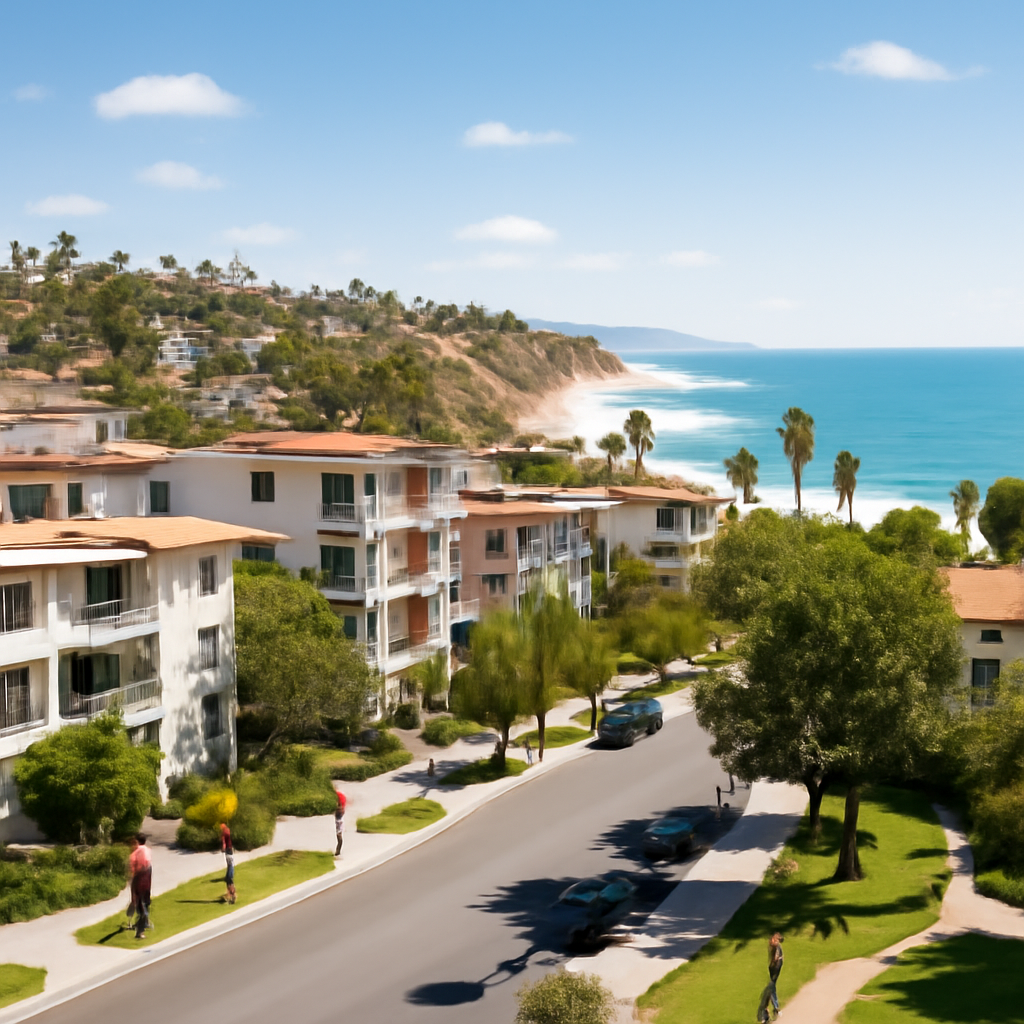
Santa Monica combines a beach town setting with urban amenities. According to U.S. Census QuickFacts, the city’s population hovers in the low 90,000s, supporting a dense mix of restaurants, boutiques, and cultural institutions. The Santa Monica Pier, Third Street Promenade, and Santa Monica Place draw millions of visitors annually, yet residential streets around Montana Avenue and 14th Street retain a quieter, leafy feel. This contrast between tourist corridors and calm side streets shapes lifestyle choices more than distance measured in blocks.
Late afternoon along Palisades Park brings cool salt air rolling over the bluffs and a constant murmur from Pacific Coast Highway below. Joggers pass beneath eucalyptus trees near Idaho Avenue while the Pacific glows orange behind the Santa Monica Pier. The scent of grilled fish drifts up from Ocean Avenue restaurants like Blue Plate Oysterette, and the distant music from street performers on Third Street Promenade adds a soft, rhythmic backdrop to the coastal light.
Walkability ranks high among residents’ priorities. According to Walk Score, Santa Monica earns a Walk Score in the low-to-mid 80s, considered “very walkable” by the service. Blocks around Wilshire Boulevard and 2nd Street place supermarkets, gyms, and cafés within a five- to ten-minute stroll. Sections farther east near 26th Street and Cloverfield Boulevard still offer strong access to daily necessities, but trips to the beach or Downtown Santa Monica may involve a short drive or transit ride.
Recreation choices extend beyond the oceanfront. Residents frequent Clover Park, Virginia Avenue Park, and Douglas Park for sports courts, playgrounds, and weekend events. The Annenberg Community Beach House north of Santa Monica Pier offers a historic pool and beach access with paid parking. According to the City of Santa Monica’s official parks overview on SantaMonica.gov, the city operates more than 20 parks, providing a park or open space within roughly a ten-minute walk for most households.
Which Santa Monica Neighborhoods Fit Different Living Priorities?
North of Montana Avenue, tree-lined streets like 7th Street, 15th Street, and Georgina Avenue feature larger single-family homes and substantial lots. According to neighborhood data compiled by Redfin, luxury properties in this northern corridor often trade in a broad range from around $3M to beyond $6M, depending on lot size and recent renovation. Proximity to Brentwood Country Mart, Montana Avenue boutiques, and Palisades Park supports both lifestyle convenience and long-term value expectations.
Downtown Santa Monica and the area around Colorado Avenue and Broadway attract residents prioritizing transit access and minimal car use. Mid-rise and high-rise condos near 5th Street and 6th Street allow quick walks to the Downtown Santa Monica E Line station, Santa Monica Place, and Third Street Promenade. According to listings aggregated by Realtor.com, smaller one- and two-bedroom condos in central locations frequently list between $800,000 and $1.3M, with premiums for ocean views and new construction amenities such as gyms and roof decks.
Ocean Park offers a different mood south of Pico Boulevard and west of Lincoln Boulevard. Along Main Street near Ashland Avenue, the smell of espresso from cafés mixes with the warmth of fresh tortillas drifting from family-run spots. Surfboards tap lightly against bike racks outside cafés, while the low hum of conversation from patios at places like Library Alehouse blends with faint waves from Santa Monica State Beach, only a few blocks down Ocean Park Boulevard.
Families often evaluate Sunset Park and Pico neighborhoods for relative value and school access. Sunset Park, along streets like 23rd Street and Pier Avenue, offers smaller single-family homes and duplexes at prices that remain meaningfully below North of Montana yet above many Los Angeles areas east of the 405. According to data ranges reported by Zillow, typical home values in broader Santa Monica sit in a band roughly between $1.6M and $2.4M, with Sunset Park often clustering near the lower half of that range.
How Do Schools and Education Options Shape Daily Life in Santa Monica?
Public schools form a key consideration for many households moving to Santa Monica. The Santa Monica-Malibu Unified School District serves the city, with Santa Monica High School anchoring the western end of Pico Boulevard near 4th Street. According to GreatSchools, Santa Monica High earns ratings in the high single digits on a ten-point scale, reflecting strong academic performance indicators compared with statewide averages.
Middle school choices include Lincoln Middle School on California Avenue and John Adams Middle School near Ocean Park Boulevard, while elementary options such as Roosevelt Elementary, Grant Elementary, and John Muir Elementary distribute across neighborhoods from north of Montana to Ocean Park. GreatSchools reports several campuses with ratings between 7 and 9 out of 10, based on test scores and student progress measures. Households frequently study attendance boundaries carefully, as a difference of just a few blocks along streets like 14th Street or 25th Street can determine assigned campuses.
Higher education access also shapes neighborhood appeal. Santa Monica College (SMC), located near Pico Boulevard and 17th Street, enrolls more than 20,000 students, according to summary data on Santa Monica College. SMC’s course offerings and transfer programs attract residents seeking flexible education options or career transitions. Nearby housing along Pearl Street, 20th Street, and Ocean Park Boulevard often appeals to students and staff who value short commutes and frequent Big Blue Bus service.
What Transportation and Commute Patterns Define Santa Monica Living?
Santa Monica’s transportation network provides more options than many Westside communities. The E Line (Expo) terminates at Downtown Santa Monica, with intermediate stations at 17th Street/SMC and 26th Street/Bergamot. According to schedule information from LA Metro, peak headways commonly run around 8 to 10 minutes, connecting Santa Monica to Downtown Los Angeles in roughly 45 to 55 minutes. This rail link reduces reliance on Interstate 10 for commuters whose workplaces sit along the line.
The city-operated Big Blue Bus system supports local and regional routes along Wilshire Boulevard, Pico Boulevard, and Lincoln Boulevard. According to service descriptions on Big Blue Bus, more than 10 routes intersect Santa Monica, providing options that extend east toward Westwood, Century City, and downtown Los Angeles. Frequent service on key corridors can keep car use relatively low in neighborhoods near major stops, particularly around Wilshire and 17th Street, Broadway and 14th Street, and Main Street near Ocean Park Boulevard.
Driving remains part of many residents’ routines. Peak periods on Lincoln Boulevard, Ocean Avenue, and the Interstate 10 ramps can add 15 to 25 minutes to otherwise short trips, especially in summer when beach traffic surges. Cyclists benefit from protected lanes along Broadway, Ocean Avenue, and stretches of Colorado Avenue, as well as the Marvin Braude Bike Trail, which runs roughly 22 miles along the coast through Santa Monica, Venice, and toward the South Bay.
How Do Housing Costs and 2026 Market Trends Affect a Move to Santa Monica?
Housing costs in Santa Monica rank among the higher tiers in Southern California. According to market summaries from Redfin through early 2026, typical sale prices for single-family homes across the city often land in a broad range from about $1.8M to above $3M, depending on neighborhood, lot size, and condition. Condos and townhomes frequently cluster between roughly $900,000 and $1.7M, with smaller studios and one-bedroom units closer to the lower section of that spectrum.
Rental costs also influence planning. According to aggregated listings on Apartments.com, one-bedroom apartments in popular areas near Broadway, Arizona Avenue, and 5th Street often advertise monthly rents between about $2,600 and $3,500, while two-bedroom units can extend from roughly $3,500 to above $5,000, particularly in newer buildings with amenities and secured parking. Neighborhoods farther east, such as around Stewart Street and Pennsylvania Avenue, may offer slightly lower ranges for comparable floor plans.
Property taxes in Santa Monica reflect California’s Proposition 13 framework. According to the Los Angeles County Office of the Assessor, the base property tax rate across much of the county typically sits near 1% of assessed value, with additional voter-approved assessments adding several tenths of a percent, often resulting in effective rates in the neighborhood of 1.1% to 1.3%. This structure favors longer holding periods, as annual assessment growth is usually capped at 2% absent significant improvements or ownership changes.
The 8.3-square-mile figure cited at the start of this guide reflects how intensely every block in Santa Monica must serve multiple functions, from housing to tourism. That same compact footprint underscores why small shifts in demand can quickly affect both prices and availability. The Santa Monica Chamber of Commerce offers ongoing updates on business activity and planned projects that can influence neighborhood desirability. Buyers who register listing alerts before the spring 2026 listing surge and commit to touring promising homes within 48 hours of activation typically secure contracts ahead of slower-moving competitors. Those who delay decisions until late summer often encounter reduced options, stronger competition for remaining listings, and fewer opportunities to negotiate favorable terms.
Categories
Recent Posts